
Plagiarism in Research Paper: 6 Checkers Compared for 2026
Turnitin is the best checker for catching plagiarism in research paper drafts, because it searches a large academic database and gives clear similarity reports. If your university provides it, start there. If you choose your own tool, Grammarly and Scribbr offer strong coverage for individual writers. This list ranks six options by database depth, report clarity, price and fit for students, lecturers and research teams.
Key takeaways
- Turnitin is the most widely used plagiarism checker for university research papers.
- Plagiarism checkers flag matches, but you still decide whether each match needs a citation or a rewrite.
- WriteHuman AI revises your own wording but does not verify sources or add citations.
- Check which tool your university or target journal requires before choosing a free option.
How do these options compare?
| # | Option | Best for | Standout |
|---|---|---|---|
| 1 | Turnitin | Students whose university provides access through their learning platform | Deepest academic database for research papers |
| 2 | Grammarly | Individual researchers who want grammar and originality in one editor | Originality check built into the writing editor |
| 3 | Scribbr | Thesis writers who want checking plus citation support | Built specifically for academic citation styles |
| 4 | Copyleaks | Educators checking several drafts in one batch | Combines plagiarism and AI-text detection |
| 5 | WriteHuman AI | Researchers revising AI-assisted drafts before a similarity check | Rewrites flagged phrasing without changing meaning |
| 6 | Quetext | Students doing a fast first pass on a literature review | Clear side-by-side comparison of matched text |
1. Turnitin
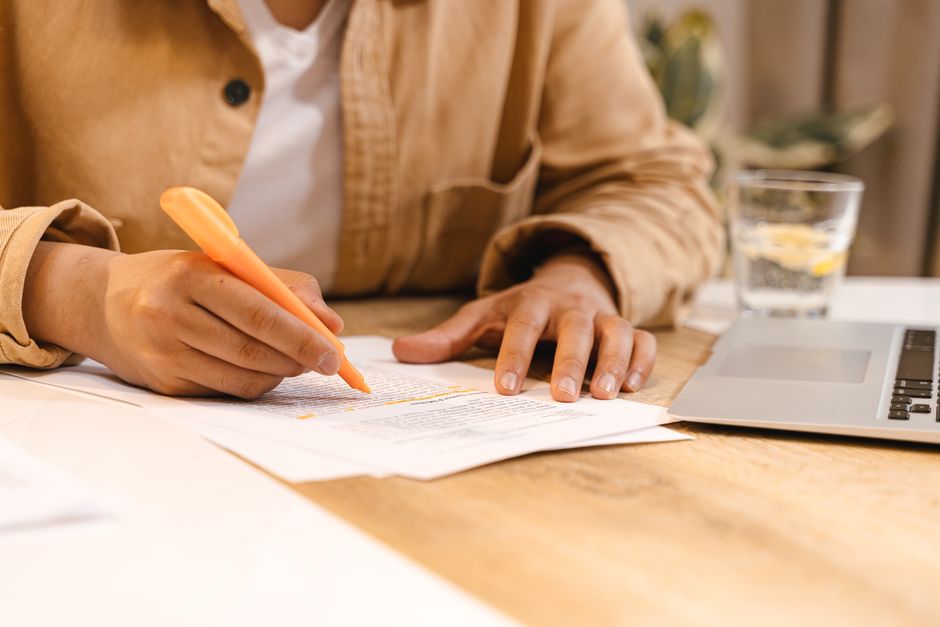
Turnitin is a plagiarism detection platform for universities and journals that compares submissions against academic papers, publications and student work.
Turnitin is the tool most universities already use. It compares your manuscript against a large database of journal articles, theses and past student submissions. It then produces a similarity report with highlighted matches. Instructors review each match and decide whether it is properly cited.
Best for: Students whose university provides access through their learning platform
Pros
- Matches against journal articles and prior student submissions
- Clear similarity score with source-by-source breakdown
Cons
- Usually available only through an institution, not for individual purchase
2. Grammarly
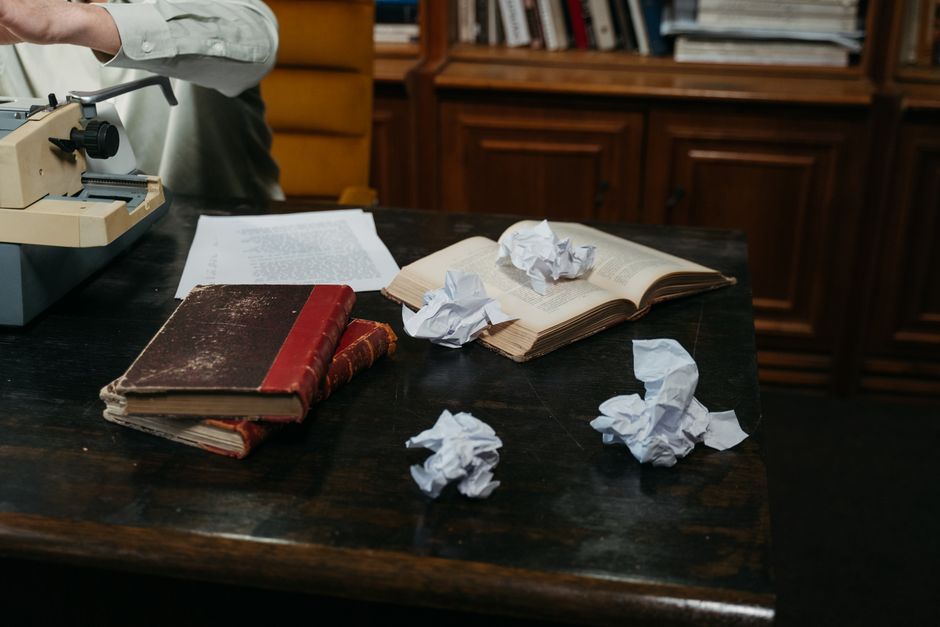
Grammarly is a writing assistant for students and professionals that checks grammar, tone and originality against web pages and publications.
Grammarly scans your text against web pages and a database of published content. It flags matched sentences and links to the likely source, so you can add a quotation or rewrite. The same editor also catches grammar and clarity issues. Paid plans include the originality check, while the free plan does not.
Best for: Individual researchers who want grammar and originality in one editor
Pros
- Works inside the editor you already draft in
- Flags sentences with links to the matching source
Cons
- Academic paper coverage is smaller than Turnitin's, so check your university's required tool too
3. Scribbr

Scribbr is an academic editing service for students that offers a plagiarism checker, citation generator and proofreading for thesis writing.
Scribbr's plagiarism checker is built for theses and academic essays. It compares text against web sources and academic publications, then gives a percentage score with matched passages. Scribbr also offers citation help in APA, MLA and Chicago styles. Students often use it to catch missed citations before a supervisor review, which can save a full round of revisions.
Best for: Thesis writers who want checking plus citation support
Pros
- Citation formatting checks alongside similarity scores
- Per-word pricing suits a single thesis
Cons
- Per-word pricing gets expensive for long multi-paper projects
4. Copyleaks

Copyleaks is a plagiarism and AI content detection platform for educators and publishers that scans text across web and academic sources.
Copyleaks combines plagiarism detection with AI-generated text detection. For a research paper, you scan for matched sources and review an AI-likelihood score on the same report. Its batch upload helps lab coordinators and teachers check several drafts at once. Each match shows a percentage, so you can decide which passages need citations.
Best for: Educators checking several drafts in one batch
Pros
- Batch upload for multiple drafts
- Shows matches and an AI-likelihood score together
Cons
- AI scores are probabilistic, so treat them as a prompt to review, not proof
5. WriteHuman AI

WriteHuman AI is a text rewriting tool for writers that revises AI-assisted drafts to read more naturally and reduce flagged phrasing.
WriteHuman AI is a rewriting tool, not a plagiarism checker. Researchers who draft with AI assistance use it to revise sentences that read as robotic or repetitive. Then they run the result through a dedicated similarity checker. It does not verify sources or add citations, so every claim still needs your own reading and referencing.
Best for: Researchers revising AI-assisted drafts before a similarity check
Pros
- Simple paste-and-revise workflow for long drafts
- Useful for smoothing robotic transitions in AI-assisted text
Cons
- Rewriting is not a substitute for citation, and it cannot confirm sources
6. Quetext

Quetext is a plagiarism checker for students and writers that compares text against web content and returns a side-by-side source view.
Quetext scans your paper against web pages and published sources. It shows the original text next to each match. That view makes it easy to see whether a sentence was paraphrased too closely. The free tier allows short checks, which suits a draft literature review.
Best for: Students doing a fast first pass on a literature review
Pros
- Free tier for short checks
- Side-by-side source view makes paraphrase problems obvious
Cons
- Smaller academic database than institutional tools
How do you choose the right plagiarism checker for a research paper?
Start with your institution. If your university or journal requires a specific tool, use that one, because its database and report format are what the reviewer sees. If you can choose, check three things: whether the database includes journal articles, whether the report links each match to its source, and whether the price fits how many papers you check. Test each tool on a paragraph that you know contains a quotation. A good checker flags that sentence and lets you confirm it is cited. Remember that a similarity score is a starting point. Read every flagged passage, add quotation marks or citations where needed, and rewrite only your own wording.
Further reading
Conclusion
For most readers, the right first step is to check whether your university provides Turnitin, since it is the standard for academic papers. If you choose your own tool, pick one with journal coverage and clear source links. Then review every flagged passage yourself. Use WriteHuman AI only on your own sentences, never to hide unattributed material. Before you submit, run a full check, fix each citation, and save the report for your supervisor.
Frequently asked questions
Book a free
15-minute call
We will open Xicmo on your own site, show you where you are losing search and AI visibility, and leave you with the fixes whether or not you sign up.
Book a callPrefer email? hello@xicmo.com